
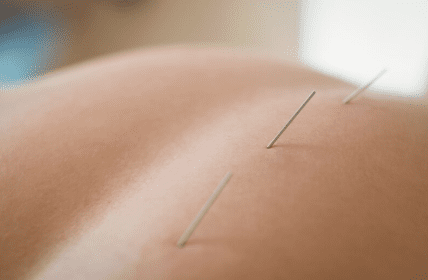
5 Natural Ways to Enhance Your Acupuncture Results
Acupuncture is powerful—but did you know your daily habits can amplify its effects?
Many patients are surprised to learn that what they do after a session can greatly influence how well their body responds to treatment. Acupuncture works by stimulating your body’s natural healing mechanisms, improving the flow of Qi (vital energy), and restoring internal balance. But to truly maximize these benefits, you need to support that healing outside the treatment room.
At Middle Path Acupuncture, we believe healing doesn’t stop when the needles are removed. From the food you eat to the way you rest, small everyday choices can strengthen the effects of acupuncture and help your body heal faster and more completely.
In this guide, we will explore five natural ways to make your acupuncture results more effective—each based on Traditional Chinese Medicine (TCM) principles and simple enough to begin today.
How Simple Lifestyle Habits Maximize Your Acupuncture Benefits?
Stay Hydrated
Why it matters:
Water is essential for circulation, detoxification, and regulating body temperature—all of which are vital after an acupuncture session. In TCM, proper hydration supports the movement of Qi and nourishes your body’s Yin (cooling, restorative energy).
Post-treatment hydration helps your body:
- Eliminate metabolic waste released during acupuncture
- Support the lymphatic system
- Maintain smooth Qi and blood flow
Tip:
Drink plenty of warm fluids after your session. Warm water is gentler on the digestive system and more aligned with TCM principles than cold beverages, which are thought to constrict energy flow.
Some great post-acupuncture drinks include:
- Ginger tea: Warms the meridians and soothes digestion
- Chrysanthemum tea: Calms the liver and clears internal heat
- Lemon water: A gentle detoxifier and alkalizer
Aim for at least 8–10 cups of fluid throughout the day—and skip the iced drinks for at least 24 hours after your treatment.
Prioritize Rest & Sleep
Why it matters:
Acupuncture stimulates the parasympathetic nervous system, which puts your body in “rest-and-digest” mode. This is when deep healing occurs. Overexerting yourself post-treatment can counteract the benefits by sending your system back into stress mode.
In TCM:
Sleep is when Qi returns to the organs to replenish energy and promote repair. Insufficient rest can prevent your body from integrating the healing initiated during your session.
Tip:
Make space to rest after acupuncture. If possible, avoid intense workouts, heavy socializing, or over-scheduling your day. Instead:
- Take a gentle walk
- Read or listen to soothing music
- Get to bed early and aim for 7–9 hours of sleep
Your body does its best work while you rest. Don’t shortchange it.
Eat Nourishing, Anti-Inflammatory Foods
Why it matters:
Food is medicine—especially after acupuncture. Eating nutrient-dense meals helps reduce inflammation and keeps your digestive system strong. In TCM, the Spleen and Stomach are key to generating Qi and blood. Cold, raw, or processed foods burden this system and slow healing.
Foods that support your acupuncture results include:
- Cooked vegetables like carrots, squash, bok choy
- Warming spices like cinnamon, ginger, turmeric
- Whole grains like brown rice, millet, and quinoa
- Bone broth or miso soup to strengthen Qi and nourish the body
Tip:
Avoid sugary snacks, dairy-heavy meals, excessive caffeine, or fried/greasy foods, especially in the 24–48 hours after treatment. Stick to warm, cooked, and lightly spiced meals to support digestion and help your body make the most of your session.
Practice Gentle Movement
Why it matters:
While rest is important after treatment, movement keeps Qi flowing. Gentle activities help circulate energy through your meridians and support emotional balance and physical flexibility. Think of movement as another form of medicine.
In TCM terms:
Movement prevents stagnation. When Qi becomes stuck, it can lead to pain, mood swings, fatigue, or digestive issues.
Tips:
The day after your treatment, engage in low-impact movement:
- Tai Chi or Qi Gong: These traditional practices are designed to move Qi harmoniously.
- Restorative yoga: Encourages stretching and relaxation without strain.
- Nature walks: Gentle outdoor walks can boost mental clarity and reduce stress.
Try Tai Chi at Golden Gate Park in San Francisco—it’s a relaxing way to move your energy and connect with your surroundings.
Reduce Stress with Mindfulness
Why it matters:
Stress is a major disruptor of Qi flow. Acupuncture reduces stress hormones like cortisol, but consistent daily stress can quickly undo those effects. Mindfulness helps reinforce the mental and emotional calm created by your sessionIn TCM:
Emotional imbalance—especially overthinking, worry, and anger—can block Qi in the Liver and Heart meridians. This can lead to insomnia, headaches, fatigue, or anxiety.
Frequently Asked Questions
What lifestyle changes can boost the effects of acupuncture?
Simple habits like eating balanced meals, sleeping well, and managing stress greatly enhance acupuncture results. Staying active with low-impact exercises such as walking or yoga supports energy flow. Hydration is key to maintaining circulation and detoxification. Mindful breathing or meditation also strengthens emotional balance. When combined with regular treatments, these habits accelerate healing and promote long-term wellness.
How does diet and hydration influence acupuncture outcomes?
A nutrient-rich diet supports the body’s ability to heal after acupuncture by fuelling tissue repair and circulation. Drinking plenty of water helps flush out toxins and keeps energy pathways clear. Avoiding excessive caffeine or processed food prevents energy blockages. Patients who stay hydrated often report smoother progress and fewer post-session symptoms. Nourishing the body complements acupuncture’s restorative effects.
Should you rest or exercise after acupuncture sessions?
It’s best to rest for several hours after treatment to allow the body to integrate its benefits. Light stretching or a gentle walk is fine, but intense workouts should be avoided on the same day. Resting helps the nervous system stabilize and the energy flow settle. This balance ensures the treatment’s effects last longer. Listening to your body’s cues helps maximize recovery and results.
Can meditation or breathing exercises enhance acupuncture benefits?
Yes, mindfulness and controlled breathing calm the nervous system and align perfectly with acupuncture’s healing goals. Deep breathing increases oxygen flow, which supports muscle recovery and emotional relaxation. Meditation helps reduce mental stress, allowing acupuncture’s effects to last longer. Practicing these regularly between sessions enhances inner balance and overall vitality.
How often should you schedule acupuncture for lasting results?
Consistency plays a key role in achieving long-term results. Most patients benefit from weekly sessions at first, then biweekly or monthly for maintenance. Regular treatments strengthen the body’s natural healing rhythm. As balance improves, frequency can gradually decrease without losing effectiveness. Committing to steady care helps preserve the body’s equilibrium and energy flow.

