
What Not to do After Fertility Acupuncture?
Fertility acupuncture has gained popularity as a natural, supportive approach to improving reproductive health and increasing the chances of conception. Many couples turn to acupuncture as part of their fertility journey, combining it with other treatments or using it independently to enhance their chances of starting a family.
While acupuncture is generally safe and beneficial, it’s essential to follow certain guidelines after each session to maximize its effectiveness and avoid any unintended setbacks. Here’s a look at what you should avoid doing after fertility acupuncture in San Francisco and why choosing Middle Path Acupuncture for your journey might be the best choice.
What Is Fertility Acupuncture?
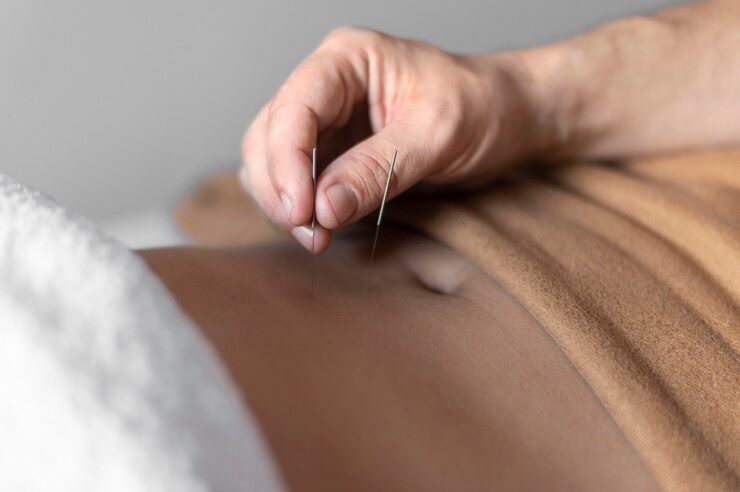
Fertility acupuncture is a specialized form of acupuncture that focuses on improving reproductive health and enhancing fertility. Practitioners use thin needles inserted at specific points on the body to balance the flow of energy, known as “Qi,” along the body’s meridians. This approach is rooted in Traditional Chinese Medicine (TCM) and has been used for centuries to support reproductive health.
The benefits of fertility acupuncture can include:
- Improved blood flow to the reproductive organs
- Reduced stress and improved relaxation
- Enhanced hormone balance
- Better quality of egg and sperm health
- Greater success rates with assisted reproductive technology (ART) such as IVF
Why Do People Choose Fertility Acupuncture?
Many couples struggling with fertility turn to acupuncture as a holistic, drug-free way to support their reproductive goals. Acupuncture is often used alongside other fertility treatments to increase success rates.
- For women, it can help regulate menstrual cycles, improve ovarian function, and create a nurturing environment for conception. For men, it can increase sperm count, quality, and mobility.
- Additionally, acupuncture can help alleviate the stress and anxiety often associated with fertility struggles, which can sometimes hinder conception efforts.
6 Things to Avoid After Fertility Acupuncture
Following your fertility acupuncture session, it’s important to be mindful of certain activities and behaviors that could interfere with the treatment’s effects. Here are six key things to avoid to ensure you get the most from your session:
- Strenuous Physical Activity
- Avoid high-intensity exercise such as running, heavy lifting, or intense cardio for at least 24 hours post-treatment. Acupuncture helps relax your muscles and circulatory system, and engaging in strenuous exercise could disrupt this newfound balance.
- Tip: Opt for gentle stretching or light walking to keep your body active without stressing it.
- Caffeine and Alcohol Consumption
- Both caffeine and alcohol can interfere with your body’s ability to process the calming, regulating effects of acupuncture. These substances can cause dehydration and increase stress hormones, potentially counteracting the session’s benefits.
- Tip: Stick to water, herbal teas, or other non-caffeinated beverages for at least 24 hours after your session to stay hydrated and support relaxation.
- Heavy or Greasy Foods
- After a fertility acupuncture session, your body is in a state of balance and detoxification. Eating heavy or oily foods can make digestion more difficult, drawing energy away from the healing process initiated by the acupuncture.
- Tip: Choose light, nutrient-dense foods like leafy greens, fresh fruits, and lean proteins that are easier to digest and won’t disturb your body’s balance.
- Stressful Situations
- Try to avoid high-stress environments or activities after your session. Stress can quickly disrupt the benefits of acupuncture by increasing cortisol levels and tense muscles. If possible, plan your session on a day when you can relax afterward.
- Tip: Practice gentle breathing exercises, meditate, or take a warm bath to keep your mind calm and centered after acupuncture.
- Hot Baths or Saunas
- While warm baths can be soothing, hot water can be too stimulating after an acupuncture session. Saunas, hot tubs, and very hot baths can increase body temperature and blood circulation too quickly, which could counteract the calm and regulated energy achieved through acupuncture.
- Tip: If you’d like to relax in water, go for a warm (not hot) bath or shower to avoid overstimulating your system.
- Skipping Rest
- Fertility acupuncture promotes deep relaxation and often leaves patients feeling pleasantly tired. This is a sign that your body is in healing mode, so it’s important to honor this feeling by resting instead of pushing through it.
- Tip: Allow yourself time to rest, even if it’s just for a quick nap or some quiet time on the couch. Listen to your body, and don’t try to power through activities if you feel the need to rest.
Below table provides a clear overview of each thing to avoid, along with the reasons and practical alternatives that support post-treatment care:
| Activity to Avoid | Reason To Avoid | Recommended Alternative |
| Strenuous Physical Activity | High-intensity exercise can disrupt the relaxation and balance achieved in acupuncture. | Light walking, stretching, or gentle yoga. |
| Caffeine and Alcohol | Can interfere with the calming effects of acupuncture and increase dehydration. | Herbal teas, water, or other non-caffeinated beverages. |
| Heavy or Greasy Foods | Difficult to digest, which can draw energy away from the body’s healing process. | Light, nutrient-dense foods like salads and lean proteins. |
| Stressful Situations | Stress raises cortisol levels, which can undo the relaxation benefits of acupuncture. | Practice deep breathing, meditation, or quiet activities. |
| Hot Baths or Saunas | High heat can overstimulate the body and disrupt the effects of acupuncture. | Opt for a warm (not hot) bath or shower instead. |
| Skipping Rest | Your body may need rest after a session, as acupuncture promotes relaxation. | Listen to your body; rest, nap, or have some downtime. |
Why Choose Middle Path Acupuncture?
Middle Path Acupuncture, located in San Francisco, offers specialized fertility acupuncture designed to support individuals and couples on their fertility journey. In addition to fertility care, Middle Path Acupuncture is also a trusted provider for pain management in San Francisco. Whether you’re dealing with chronic back pain, migraines, or muscle tension, our experienced team applies Traditional Chinese Medicine techniques to support long-term pain relief and improved wellness. Combining pain management with fertility acupuncture can also enhance overall health and improve treatment outcomes. Our skilled practitioners take a holistic approach, focusing on personalized care to optimize reproductive health. We use Traditional Chinese Medicine techniques, including acupuncture, to help balance hormones, reduce stress, and enhance fertility in a supportive and nurturing environment.
Our team is committed to guiding you through each step of your fertility journey with compassionate, expert care. Middle Path Acupuncture has a long history of successful treatments, Acupuncture treatment in Hayes Valley is just one of the many specialized services we offer to support your well-being and reproductive goals. With many clients achieving improved reproductive health and positive pregnancy outcomes. Learn more about our approach to fertility acupuncture.
Supporting Your Fertility Journey with Acupuncture
Fertility acupuncture can be an incredibly supportive, effective part of your journey toward conception. By being mindful of what to avoid after each session—like strenuous exercise, caffeine, and stressful environments—you’re giving your body the best chance to absorb and benefit from each treatment. Middle Path Acupuncture offers a trusted, compassionate approach rooted in traditional Chinese medicine San Francisco residents trust for holistic reproductive health.
Frequently Asked Questions
What activities should be avoided immediately after a fertility acupuncture session?
After treatment, avoid strenuous activities, heavy exercise, alcohol, or caffeine for at least 24 hours. These can disrupt the body’s relaxed state and interfere with hormonal balance. Resting helps the body absorb acupuncture’s effects and support reproductive health. Gentle walks or meditation are ideal to maintain calm energy. Giving yourself time to unwind strengthens the treatment’s long-term impact.
Can diet or caffeine affect acupuncture results?
Yes, high caffeine intake or processed foods can reduce the effectiveness of acupuncture. Stimulants may elevate stress hormones, which can offset hormonal balance achieved during treatment. A light, nutrient-rich diet and plenty of hydration help maintain circulation and support fertility. Avoiding caffeine after sessions allows the body to stay calm and receptive. Balanced nutrition enhances the benefits of each treatment naturally.
How long should rest be taken post-treatment?
It’s best to rest for a few hours after your acupuncture session to allow the body to adjust. This helps stabilize energy flow and promote optimal hormonal function. Many patients find that a quiet evening or early bedtime enhances results. Adequate rest ensures your reproductive system absorbs the benefits of the treatment fully. Listening to your body supports faster recovery and stronger fertility outcomes.
Are there medications or supplements to avoid after fertility acupuncture?
Most supplements are safe, but it’s wise to consult your acupuncturist or fertility specialist before starting new ones. Some herbs or hormones may conflict with your treatment plan. Transparency helps ensure that acupuncture and medications work in harmony. Personalized guidance ensures the safest and most effective fertility support.
When can normal physical activity be resumed safely?
Light activity like walking or stretching can resume the next day, but high-intensity exercise should wait at least 24 hours. The goal is to let the body remain calm and balanced after treatment. Gradually returning to normal activity prevents stress on the reproductive system. This approach helps acupuncture results last longer and enhances overall well-being.

