
Acupuncture: A Natural Approach to Anxiety Management
Feeling overwhelmed by stress and anxiety can impact every aspect of your life, from relationships to work performance. You might be searching for solutions that go beyond medication and therapy.
Have you considered acupuncture treatment for anxiety?
This ancient practice offers a natural and effective approach to managing anxiety, helping you regain control and find balance.
Understanding Anxiety and Its Impact
Anxiety is more than just a fleeting feeling of worry. It can manifest in various ways, such as persistent nervousness, trouble sleeping, or physical symptoms like headaches and muscle tension. Many people experience anxiety as a result of high stress, trauma, or even genetic factors. Traditional methods of managing anxiety often involve medication or therapy, but acupuncture provides a holistic alternative that addresses both the mind and body.
How Acupuncture Works for Anxiety?
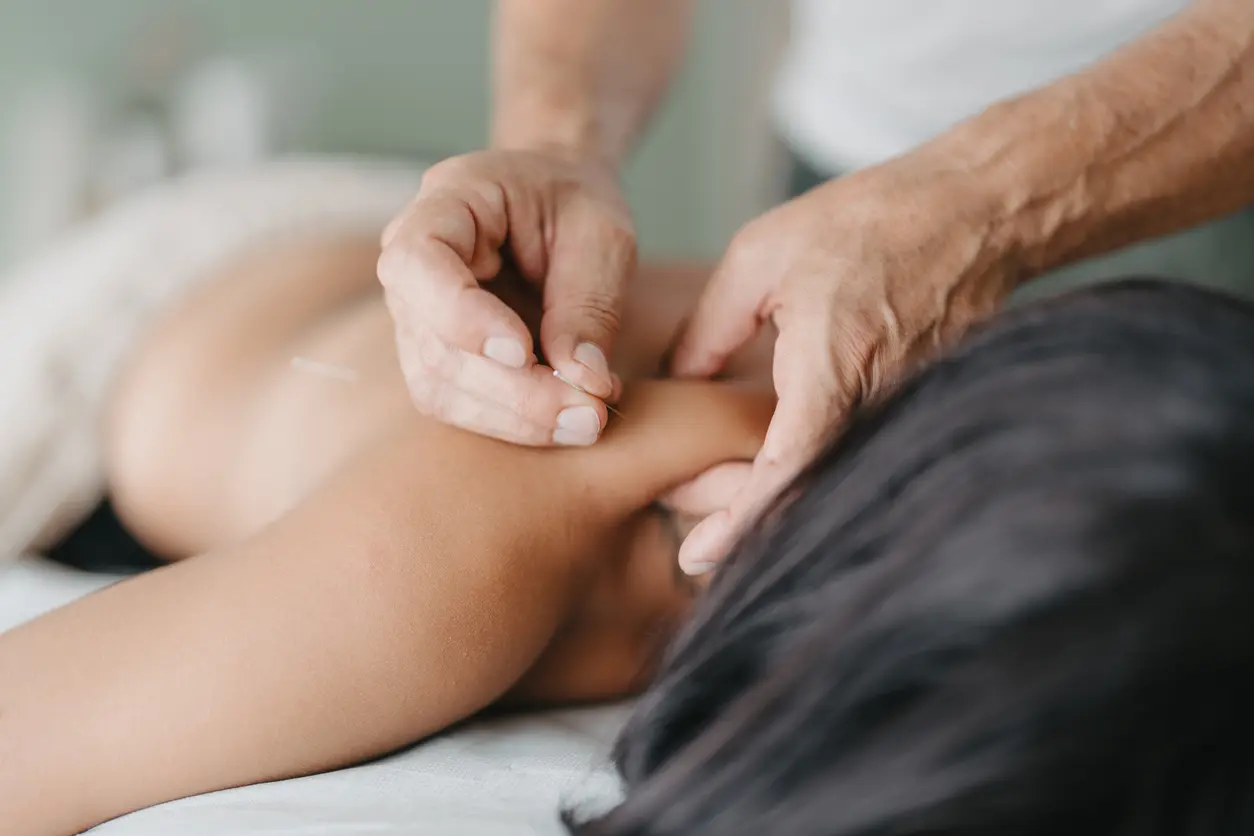
Acupuncture, a cornerstone of Traditional Chinese Medicine (TCM), involves inserting thin needles into specific points on the body. These points, known as acupuncture points, are believed to stimulate the body’s natural healing processes and restore balance.
The underlying principle is that anxiety and stress disrupt the flow of Qi (pronounced “chee”), the vital energy that flows through your body. By targeting certain acupuncture points, practitioners can help regulate this energy flow and promote relaxation.
Benefits of Acupuncture for Anxiety Management
- Reduces Stress
Acupuncture helps to lower cortisol levels, the hormone associated with stress. By doing so, it encourages a more relaxed state and reduces the physical symptoms of anxiety.
- Improves Sleep
Many people with anxiety struggle with insomnia or disrupted sleep. Acupuncture can help improve sleep patterns by calming the nervous system and promoting deeper, more restorative sleep.
- Enhances Mood
Acupuncture stimulates the release of endorphins and other neurotransmitters that promote feelings of well-being and happiness. This can help counteract the negative mood effects associated with anxiety.
- Relieves Physical Symptoms
Anxiety often presents with physical symptoms such as muscle tension, headaches, or digestive issues. Acupuncture can target these specific areas, providing relief and helping you feel more comfortable.
- Supports Overall Wellness
By addressing the root causes of anxiety, acupuncture promotes overall mental and physical wellness, helping you build resilience and cope better with stress.
What to Expect During an Acupuncture Session?
- During an acupuncture session, you’ll lie down comfortably while your acupuncturist inserts fine needles into targeted acupuncture points.
- The needles are very thin, so most people experience minimal discomfort.
- The session typically lasts between 30 and 60 minutes.
- Your acupuncturist will discuss your specific symptoms and create a personalized treatment plan to address your anxiety effectively.
Why Choose Middle Path Acupuncture?
Acupuncture offers a gentle yet powerful way to manage anxiety and restore harmony to your life. At Middle Path Acupuncture, we’re here to support you on your journey to wellness. Reach out to us to learn more about how our services can help you find relief and regain control over your anxiety.
So, if you are ready to explore acupuncture as a natural way to manage your anxiety, contact us today to schedule a consultation. Take the first step toward a more balanced and peaceful life with Middle Path Acupuncture.
Experience a Natural Path to Relief
Acupuncture offers a gentle yet powerful way to manage anxiety and restore harmony to your life. At Middle Path Acupuncture, we’re here to support you on your journey to wellness. Reach out to us to learn more about how our services can help you find relief and regain control over your anxiety.
Frequently Asked Questions
1. How does acupuncture calm the nervous system to reduce anxiety?
Acupuncture lowers anxiety by activating the parasympathetic nervous system, which helps the body shift into a relaxed state. It slows the heart rate, improves oxygen flow, and reduces cortisol, the main stress hormone. By promoting endorphin release, it creates a sense of calm and emotional stability. Regular sessions train the body to handle stress more effectively and maintain inner balance even under pressure.
2. Can acupuncture replace anxiety medication?
While acupuncture can greatly reduce anxiety, it is best used as a complementary therapy alongside prescribed medication or counseling. Over time, it may help some patients lessen their dependency on medication under professional guidance. Acupuncture treats both the physical and emotional roots of anxiety, encouraging deep relaxation and self-regulation. Many people find it enhances the effects of conventional care while minimizing side effects.
3. How often should I get acupuncture for anxiety relief?
Most people begin with weekly treatments to help stabilize the nervous system and ease anxiety symptoms. As the body adapts, sessions can be spaced out to every two or three weeks for maintenance. The consistency allows the effects to build naturally, resulting in lasting improvements in mood and stress tolerance. Regular follow-ups help maintain calmness and prevent future flare-ups.
4. What acupuncture points are commonly used for anxiety treatment?
Acupuncturists often focus on points near the wrist, ears, forehead, and chest to regulate emotional energy. These areas influence the heart and liver meridians, which are associated with stress, sleep, and mood balance. Stimulating these points helps reduce restlessness, quiet mental chatter, and encourage relaxation. Each treatment plan is tailored to the patient’s emotional and physical patterns.
5. Are acupuncture treatments safe for people with panic disorders?
Yes, acupuncture is safe and effective for people with panic disorders when performed by a licensed professional. It helps slow down rapid breathing, regulate heart rate, and relax tense muscles that trigger panic attacks. Over time, it strengthens the body’s ability to respond calmly to stress. Many patients experience fewer panic episodes and improved emotional control with consistent sessions.

