Can Dry Needling Support Better Movement and Muscle Recovery?
Summary – Muscle tightness can make everyday activities harder. It may affect exercise, work, sleep, and simple movements. Learn how dry needling may help with some types of muscle pain, what supports recovery, and how to choose safe, suitable care.
Muscle pain can affect more than your workouts. A stiff shoulder may make it hard to reach overhead. A sore back can make sitting or bending uncomfortable. Over time, these problems may affect your work, sleep, and daily routine.
For people researching dry needling in California, it helps to understand how this treatment works and what it may offer. Dry needling uses thin needles to target selected areas of muscle tissue linked to pain or tenderness. Some people feel less pain after treatment, but results vary.
Still, treating a painful muscle is only one part of recovery. Daily habits, rest, gentle movement, and the right care also matter. Understanding these factors can help you make better choices for your health.
The Impact of Muscle Tension on Everyday Movement
Your muscles help you stand, walk, lift, and bend. When a muscle becomes sore or sensitive, you may change how you move to avoid pain. As a result, simple tasks can become harder.
Several common factors can lead to muscle discomfort:
- Repetitive movements: Doing the same task again and again may strain certain muscles.
- Long periods of sitting: Staying in one position for too long can increase stiffness.
- Intense exercise: A sudden increase in workout intensity may cause soreness.
- Limited rest: Muscles need time to recover after demanding activity.
- Stress and poor sleep: Both can affect how your body responds to pain.
However, not all pain comes from muscle tension. Joint problems, nerve irritation, and other health conditions can cause similar symptoms. Therefore, it is important to understand the possible cause before choosing a treatment.
Can Dry Needling Help You Move More Comfortably?
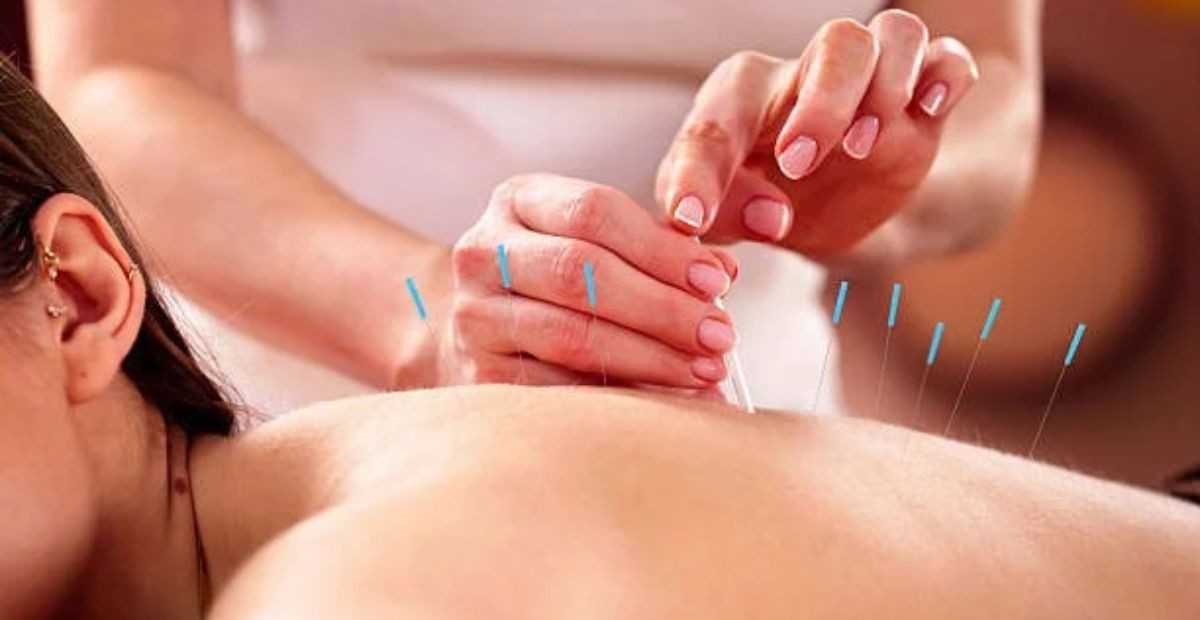
Dry needling uses thin, solid needles to target selected areas of muscle tissue. Practitioners may use it to address tender muscle points linked to pain and movement problems. During treatment, a muscle may twitch briefly. Some people feel mild aching or tenderness. Others notice less pain after their session.
Research suggests that dry needling may provide short-term relief for some muscle and joint conditions. However, results differ from person to person. It may not work for every condition, and lasting relief is not guaranteed.
When researching dry needling California, look for clear information about the treatment rather than promises of quick results. Ask whether the approach suits your symptoms and what other options may help.
The Role of Recovery in Long-Term Pain Relief
Recovery takes time and it depends on your activity level, sleep, daily habits, and general health. Although treatment may ease discomfort, it may not address every cause of the problem. Imagine working at a desk for several hours each day. Your neck feels stiff, so you seek treatment.
A few simple habits can help support recovery.
- Take regular movement breaks: Stand up, walk around, or change your position during the day. Choose gentle movements that feel comfortable.
- Return to exercise slowly: If your muscles are sore, avoid pushing yourself too hard. Increase your activity step by step as your symptoms allow.
- Get enough sleep: Good sleep supports your overall health and helps your body manage daily physical demands.
- Notice what triggers pain: Pay attention to activities that make your symptoms worse. For example, discomfort during lifting may mean you need to adjust your technique or workload.
- Seek professional advice when needed: A qualified healthcare professional can help you understand your symptoms and discuss suitable treatment options.
These steps can help you build a better recovery routine. More importantly, they encourage you to address the habits that may contribute to ongoing discomfort.
When Should You Seek Professional Care?
Mild muscle soreness may improve with rest and gentle movement. However, ongoing pain or limited movement may need professional attention. Dry needling may be considered for certain muscle-related problems. Its suitability depends on your symptoms, medical history, and the practitioner’s assessment. It is not the right choice for everyone.
Before treatment, share details about your health, medications, and past injuries. Ask about possible benefits, side effects, and other treatment options. A qualified practitioner should explain the process and answer your questions clearly.
Do not assume that severe or unexplained pain comes from tight muscles. New weakness, major numbness, chest pain, breathing problems, or rapidly worsening symptoms may need urgent medical attention. The goal is to find safe, suitable care that addresses your needs rather than simply covering up the pain.
Choosing Qualified and Safe Care in California
If you are looking into dry needling California, check the provider’s qualifications and legal authority to perform the procedure. Do not rely on advertising alone. California has specific rules for acupuncture practice and professional licensing. Because the legal status of needle-based procedures depends on the provider and procedure, check the California Acupuncture Board’s current guidance before making a decision.
Mild soreness, stiffness, or bruising may occur. More serious problems are uncommon, but they are possible. Therefore, choosing a properly qualified provider is important. If you are dealing with muscle discomfort in San Francisco, Middle Path Acupuncture can discuss its available acupuncture and manual therapy services. Contact the clinic to learn about your options and ask whether a consultation may suit your needs.
Conclusion
Muscle pain can make everyday life harder, but recovery often involves several small steps. Rest, gentle movement, better daily habits, and suitable professional care can all play a role.
Dry needling may help some people manage certain types of muscle pain. However, results vary, and the treatment is not suitable for every condition. Learning about its benefits, limits, and risks can help you make an informed choice.
If muscle discomfort affects your daily routine, Middle Path Acupuncture can help you explore its available acupuncture and manual therapy services in San Francisco. Contact the clinic to discuss your concerns and learn about possible care options.

