
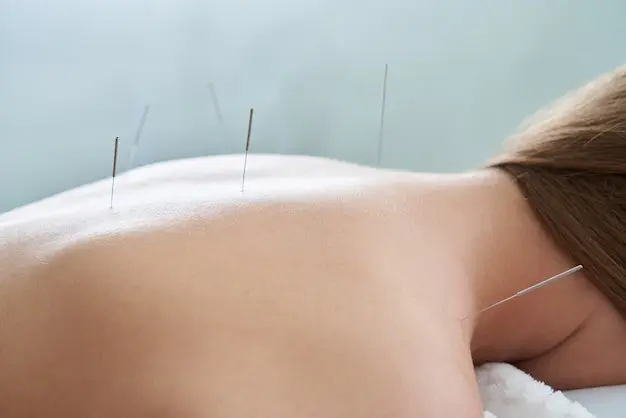
Benefits of Acupuncture in Pain Management
Pain in the hands and feet can significantly impact daily life, making simple activities like walking, writing, or even holding objects difficult. Conditions such as arthritis, neuropathy, carpal tunnel syndrome, plantar fasciitis, and repetitive stress injuries often cause discomfort, stiffness, and inflammation. While conventional treatments like medication and physical therapy may provide relief, many people seek natural, holistic approaches to managing pain.
Acupuncture, a time-tested practice rooted in Traditional Chinese Medicine (TCM), offers an effective, non-invasive solution for reducing foot and hand pain and improving overall well-being.
Understanding Acupuncture and Its Role in Pain Management
Acupuncture involves inserting thin, sterile needles into specific points of the body to stimulate energy flow (Qi) and promote healing. By targeting meridian pathways, acupuncture helps balance the body’s natural functions, reducing inflammation and enhancing circulation. This ancient practice has been used for thousands of years to address pain, stress, and various health conditions.
How Acupuncture Helps Relieve Foot and Hand Pain?
Acupuncture works by:
- Stimulating the nervous system to release endorphins, the body’s natural painkillers.
- Increasing blood circulation to affected areas, speeding up healing.
- Reducing inflammation by modulating immune responses.
- Relaxing muscles and relieving tension.
- Restoring balance to the body’s energy pathways (meridians) to support overall health.
Many patients report feeling an immediate sense of relief and relaxation after treatment, while others notice gradual improvements over multiple sessions.
Common Foot and Hand Conditions Treated with Acupuncture
Below is a table of common conditions acupuncture treatment for foot pain and hand pain can help with:
| Condition | Symptoms | How Acupuncture Helps |
| Plantar Fasciitis | Heel pain, stiffness | Reduces inflammation, improves circulation |
| Arthritis | Joint pain, swelling | Lowers inflammation, improves mobility |
| Neuropathy | Numbness, tingling, burning pain | Stimulates nerve function, enhances blood flow |
| Carpal Tunnel Syndrome | Wrist pain, weakness | Reduces nerve compression, relaxes muscles |
| Tendonitis | Swelling, tenderness | Reduces inflammation, promotes healing |
| Repetitive Stress Injuries | Stiffness, discomfort | Enhances mobility, relieves tension |
What to Expect During an Acupuncture Session?
- Consultation: The practitioner assesses your symptoms, medical history, and lifestyle habits.
- Treatment Plan: Points on the hands, feet, and related meridians are selected for needle placement.
- Needle Insertion: Fine needles are inserted at targeted acupuncture points and left for 15-30 minutes.
- Additional Therapies: Techniques such as heat therapy, cupping, or herbal remedies may be used to enhance treatment.
- Post-Treatment Care: Advice on dietary adjustments, exercises, and follow-up sessions is provided to optimize results.
Many patients describe acupuncture as a deeply relaxing experience, often feeling a sense of calm and well-being after their session.
Additional Benefits of Acupuncture Beyond Pain Management
Aside from relieving pain, acupuncture offers:
- Stress Reduction: Promotes relaxation and reduces anxiety.
- Improved Sleep: Helps regulate sleep patterns for better rest.
- Enhanced Digestion: Supports gut health and metabolism.
- Boosted Immunity: Strengthens the body’s natural defenses.
- Increased Energy Levels: Reduces fatigue and enhances vitality.
- Mental Clarity: Improves focus and concentration, helping individuals stay more productive and engaged in daily life.
Frequently Asked Questions About Acupuncture Treatment
- How many sessions are needed for pain relief?
The number of sessions varies, but most patients notice improvement within 3-6 treatments. Some chronic conditions may require ongoing care for optimal results.
- Is acupuncture painful?
No, most people experience minimal discomfort, often describing it as a mild tingling sensation or a feeling of warmth around the needle insertion points.
- Can acupuncture be combined with other treatments?
Yes, acupuncture complements physical therapy, massage, and conventional medicine. It can enhance the effects of these treatments and provide a holistic approach to pain management.
- Are there any side effects?
Acupuncture is generally safe when performed by a trained professional. Some patients may experience minor bruising or soreness at needle sites, but serious side effects are rare.
Lifestyle Tips to Enhance the Effects of Acupuncture
To maximize the benefits of acupuncture for foot and hand pain, consider incorporating the following lifestyle habits:
- Stay Hydrated: Drinking enough water supports circulation and detoxification.
- Maintain a Balanced Diet: Eating anti-inflammatory foods like leafy greens, berries, and healthy fats can promote healing.
- Practice Gentle Exercise: Yoga, Tai Chi, and stretching can complement acupuncture by enhancing mobility and flexibility.
- Get Enough Rest: Proper sleep is essential for the body’s natural healing process.
- Reduce Stress: Engaging in relaxation techniques such as meditation and deep breathing can improve overall well-being and pain management.
Why Acupuncture is an Effective Solution for Pain Relief?
Acupuncture provides a safe, natural, and effective way to relieve foot and hand pain without relying on medications or invasive procedures. By improving circulation, reducing inflammation, and promoting overall balance, acupuncture helps restore function and enhance quality of life.
So, if you’re struggling with persistent foot or hand pain, consider trying acupuncture. Schedule an appointment with Middle Path Acupuncture today and take the first step toward lasting pain relief.
Frequently Asked Questions
1. How does acupuncture relieve different types of pain?
Acupuncture works by stimulating specific points that trigger the release of endorphins, the body’s natural painkillers. It also improves blood circulation and reduces inflammation, allowing tissues to heal more efficiently. By calming the nervous system, it helps interrupt pain signals and restore balance between muscles and joints. Whether the discomfort is caused by injury, tension, or chronic strain, acupuncture promotes gradual and lasting relief.
2. Is acupuncture effective for chronic pain conditions like arthritis or migraines?
Yes, acupuncture is highly effective for chronic pain conditions such as arthritis, migraines, and fibromyalgia. It targets areas of inflammation and muscle stiffness while supporting proper energy flow through the meridians. This helps reduce joint swelling, nerve sensitivity, and vascular tension that often trigger pain episodes. Over time, patients notice fewer flare-ups, improved mobility, and better overall comfort without relying heavily on medication.
3. What are the main advantages of using acupuncture over pain medication?
Pain medications often mask symptoms temporarily, while acupuncture addresses the root cause of pain. It encourages the body’s natural healing mechanisms without side effects or dependency risks. Treatments also improve sleep, mood, and circulation, which further enhance recovery. The holistic approach not only relieves pain but also supports long-term wellness by balancing the entire system.
4. How soon can you expect pain relief after acupuncture sessions?
Relief can occur after the first session, though results vary depending on the condition and its severity. Chronic pain may require several sessions before noticeable improvement, as the body needs time to rebalance. With consistent treatments, pain episodes become less frequent and easier to manage. Most patients experience a steady reduction in discomfort and improved physical flexibility over time.
5. Are there any side effects of acupuncture for pain management?
Acupuncture is a safe, non-invasive therapy with minimal side effects. Occasionally, mild bruising or light soreness may occur where needles are placed, but it resolves quickly. When performed by a qualified practitioner, the process is relaxing and comfortable. Many patients also report better sleep, reduced stress, and improved energy levels as pain subsides.

