Can Acupuncture Reduce Anxiety?
In a world where stress seems to be an inevitable companion, finding solace from the
relentless grip of anxiety becomes paramount. Have you ever found yourself yearning for a
respite from the ceaseless worries that plague your mind? Perhaps, amidst the clamor of
modern life, you have contemplated whether there exists a remedy that transcends the
confines of conventional medicine, offering a path to serenity rooted in ancient wisdom. If so,
you are not alone.
Many seekers of peace have turned to the ancient practice of acupuncture in San Francisco,
intrigued by its gentle yet potent approach to restoring balance within the body and mind. In
this exploration, we venture into the realm of acupuncture, delving into its profound potential
to assuage the tumult of anxiety and pave the way towards a more tranquil existence.
Understanding Acupuncture
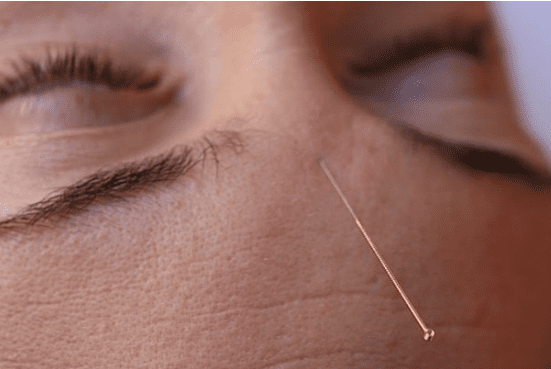
Acupuncture is a cornerstone of traditional Chinese medicine, dating back thousands of
years. It involves the insertion of thin needles into specific points on the body. These are
known as acupuncture points and they lie within channels of energy, or meridians,
where the body’s vital energy flows throughout the body. By stimulating these points,
acupuncture aims to help the body regulate its balance and promote healing.
The Anxiety Epidemic
● Acupuncture’s Role in Anxiety Relief
Research suggests that acupuncture can effectively reduce symptoms of
anxiety by targeting multiple aspects of the body and mind. Firstly, it triggers the
release of endogenous endorphins, natural chemicals that induce feelings of calm and
well-being. Additionally, it regulates the autonomic nervous system, which governs
our stress response, helping to mitigate the fight-or-flight reaction often associated
with anxiety.
● The Relaxation Effect
Beyond its physiological effects, acupuncture in San Francisco also offers a
profound sense of relaxation during treatment. Many individuals report feeling deeply
serene, allowing them to release tension and worry. They sometimes will end their
treatment by waking up from a deep, restorative sleep. This state of relaxation can
have long-lasting benefits for emotional well-being.
● Evidence-Based Support
Scientific studies have lent credence to acupuncture’s efficacy in treating
anxiety disorders. Results show significant reductions in symptoms for those with
generalized anxiety disorder, social anxiety disorder, and other related conditions. It’s
particularly promising for individuals who haven’t responded well to conventional
treatments or prefer a holistic approach.
Embrace Serenity with Middle Path Acupuncture
If you are seeking a natural, holistic approach to alleviate anxiety coupled with another
therapy or as a stand alone, acupuncture could be a viable option. Its ability to promote
relaxation, regulate the autonomic nervous system, and stimulate the body’s innate healing
mechanisms make it a compelling choice for many. So, if you are in the San Francisco area
and curious about acupuncture’s benefits, consider scheduling an appointment for
acupuncture treatment for anxiety with Middle Path Acupuncture. Relief from anxiety is
within reach, and acupuncture might hold the key you have been searching for.
Let’s embark together on a journey towards tranquility, improved productivity and
well-being.
Frequently Asked Questions
1. What type of acupuncture is best for anxiety?
For anxiety, traditional Chinese acupuncture is generally considered the most effective. It uses fine needles at specific meridian points to balance the flow of Qi, or life energy, throughout the body. Practitioners often focus on points that calm the nervous system and regulate stress hormones. Over time, this helps reduce racing thoughts, restlessness, and muscle tension. A personalized approach is key, since anxiety symptoms vary from person to person.
2. What is the success rate of acupuncture for anxiety?
Many studies show that acupuncture has a high success rate for managing anxiety symptoms. Clients often report feeling calmer and more balanced after a few sessions. While success varies by individual, consistent treatment can bring lasting improvements in mood and stress regulation. Regular sessions support the body’s natural ability to restore emotional equilibrium and reduce anxiety triggers over time.
3. How many sessions of acupuncture do I need for anxiety?
The number of sessions depends on how long and how intensely you have been experiencing anxiety. Many people start noticing benefits within four to six sessions, while chronic anxiety may require a longer treatment plan. Your acupuncturist may suggest weekly visits at first, then gradually space them out as symptoms improve. Consistency is essential to retrain your body’s stress response.
4. Can acupuncture really reduce symptoms of anxiety?
Yes, acupuncture has been shown to reduce both physical and emotional symptoms of anxiety. It encourages the release of endorphins, serotonin, and other mood-stabilizing chemicals. The process helps lower heart rate, ease muscle tension, and calm an overactive mind. Over time, patients often experience improved focus, sleep quality, and emotional resilience.
5. What is acupuncture, and how does it relate to anxiety?
Acupuncture is an ancient healing method that works by stimulating specific points on the body with fine needles to restore balance and energy flow. For anxiety, these points help regulate the nervous system and reduce excessive stress responses. The therapy promotes a deep sense of calm and helps align both body and mind. When done regularly, it can support long-term emotional wellness.
6. What should someone expect during an acupuncture session for anxiety?
During a session, the practitioner will start by discussing your symptoms and identifying the root causes of your anxiety. You’ll then lie comfortably while fine, sterile needles are gently inserted at selected points. The experience is usually relaxing and may bring sensations like warmth or tingling. Many people feel deeply calm or even drift into light sleep during treatment. Each session typically lasts 30 to 60 minutes.

