
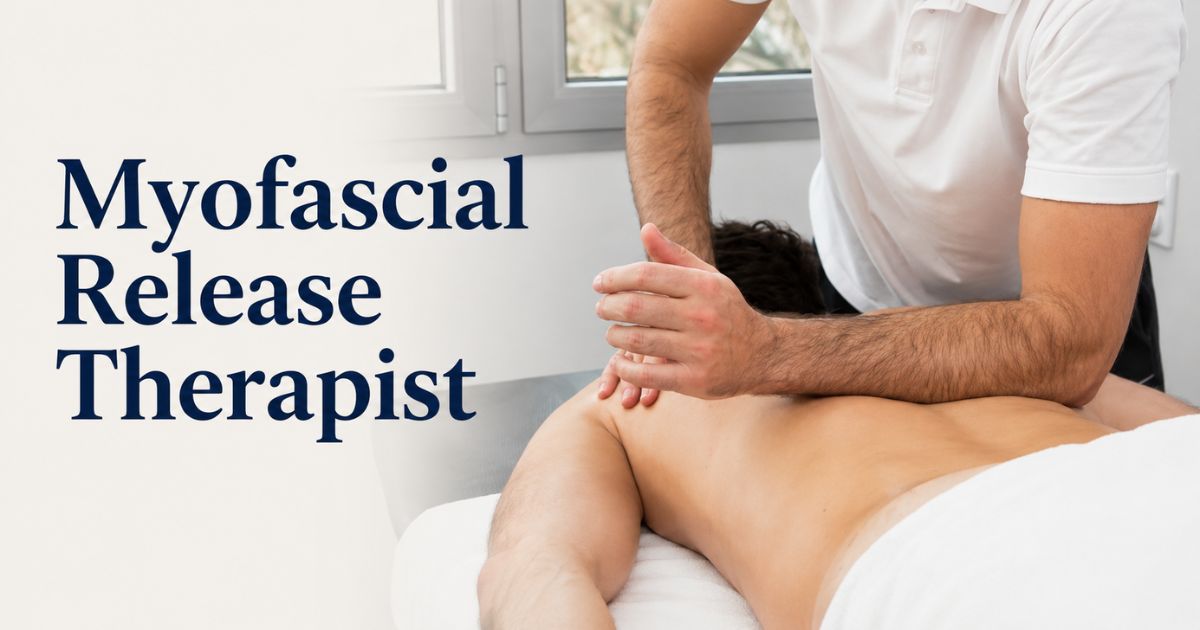
How a Myofascial Release Therapist Helps Improve Mobility and Ease Muscle Tension?
Summary – Learn how a myofascial release therapist helps reduce muscle tension, improve mobility, and support better movement through gentle, hands-on therapy. This blog explains how myofascial release works, what to expect during a session, its potential benefits, and how it differs from massage therapy, helping you make an informed decision about your care.
Do you wake up with a stiff neck? Do your shoulders feel tight after a day at your desk? Maybe your back feels sore after a workout, or your hips feel stiff after sitting for too long. These problems are common, and they can make everyday activities less comfortable. Many people think tight muscles are the only cause. However, another part of the body may also play a role. It is called the fascia.
This is one reason many people look for a myofascial release san francisco. This gentle hands-on therapy focuses on areas where the fascia and muscles feel tight. The goal is to help your body move with greater ease while reducing tension that builds up over time. If you are searching for myofascial release in San Francisco, understanding how this therapy works can help you decide whether it may be a good option for your needs.
What Is Myofascial Release?
Myofascial release is a gentle manual therapy that focuses on the fascia. Unlike muscles, fascia forms a continuous network throughout your body. It connects different structures and helps them work together during movement. Healthy fascia is flexible. It allows your muscles and joints to move smoothly. However, stress, injuries, repetitive movements, and poor posture can make this tissue feel tight. As a result, you may notice stiffness, discomfort, or limited movement.
Instead of using quick or forceful techniques, myofascial release uses slow, steady pressure. This gives the tissue time to respond naturally. The treatment is gentle, but the goal is meaningful. By working with the fascia instead of against it, a therapist helps your body relax and move more comfortably.
What Does a Myofascial Release Therapist Do?
Every person experiences muscle tension differently. Some people feel it in their shoulders after working at a computer. Others notice it in their lower back after lifting heavy objects. Athletes may feel tightness after training, while some people simply become stiff from spending too much time sitting.
A myofascial release San Francisco begins by understanding your symptoms and daily routine. During your first visit, you may talk about:
- Where you feel tightness
- How long the problem has been there
- Activities that make it better or worse
- Your daily routine and movement habits
After learning more about your concerns, the therapist checks how your body moves. They look for areas that feel tight or restricted. Next, they use gentle, sustained pressure on those areas. The pressure is slow and controlled.
Common Signs That Your Body May Feel Tight
Muscle tension does not always feel the same for everyone. Some people notice stiffness first, while others feel soreness during everyday activities. You may consider speaking with a healthcare professional if you regularly notice:
- A stiff neck after sleeping or working
- Tight shoulders that feel difficult to relax
- Limited movement when stretching
- Back tightness after sitting for long periods
- Muscles that feel sore even after resting
These symptoms do not always mean something serious is wrong. However, they may suggest that your body could benefit from extra attention.
Benefits of Working With a Myofascial Release Therapist
People explore myofascial release San Francisco for different reasons. While results vary, many people experience the following benefits.
- May Help Ease Muscle Tension: Gentle pressure may help relax tight muscles and reduce everyday discomfort caused by stress, posture, or physical activity.
- May Improve Mobility: As tight areas begin to relax, many people find it easier to move, stretch, and complete daily activities.
- May Promote Relaxation: A calm treatment session may help reduce physical tension and leave you feeling more relaxed.
- May Increase Body Awareness: Treatment can help you become more aware of your posture and movement habits, making it easier to support long-term muscle health.
Myofascial Release vs. Massage Therapy
Many people think myofascial release and massage therapy are the same. While both involve hands-on care, they have different goals.
| Myofascial Release | Massage Therapy |
| Focuses on the fascia and areas of restriction | Focuses mainly on muscles |
| Uses slow, gentle, and sustained pressure | May use light, moderate, or deep pressure |
| Targets movement restrictions and muscle tension | Often focuses on relaxation and muscle soreness |
| Treatment is based on your body’s areas of restriction | Techniques may vary depending on the type of massage |
Both therapies can play a role in a wellness plan. The best option depends on your symptoms, health history, and personal goals. In some cases, people may even benefit from using both as part of a broader treatment plan.
What Happens During Your First Session?
Trying a new therapy can feel unfamiliar. Knowing what to expect can make your first visit more comfortable. Your session usually begins with a conversation. The therapist will ask about your health history, daily routine, and the areas where you feel tight or uncomfortable. They may also ask when your symptoms began and what activities make them better or worse. After that, they will observe how your body moves.
Once the assessment is complete, you will lie comfortably on a treatment table. The therapist will then use slow, gentle pressure on selected areas of your body. Unlike some forms of bodywork, the movements are not rushed. Instead, the therapist allows the tissue enough time to respond.
During the session, you may notice a feeling of gentle stretching, warmth, or release in the treated area. Many people describe the experience as calming and relaxing. After the session, your body may feel looser or more comfortable. Some people notice changes right away, while others experience gradual improvement over several visits.
Is Myofascial Release Safe?
Safety is an important part of any treatment. When performed by a trained professional, myofascial release is generally considered a gentle therapy for many people. The treatment does not rely on sudden or forceful movements. Instead, the pressure is adjusted to match your comfort level.
Before your appointment, be sure to share your medical history and any current health concerns. This helps your therapist create a treatment plan that fits your needs. If you ever feel uncomfortable during the session, let your therapist know. Open communication helps make your experience safe and comfortable.
Final Thoughts
Muscle tension can affect more than your comfort. It can change how you move, work, exercise, and enjoy everyday life. While tight muscles are common, they do not have to become part of your daily routine.
A myofascial release therapist uses gentle hands-on techniques to work with the fascia and help ease areas of tension. The goal is to improve mobility, encourage relaxation, and help your body move more naturally. Every person is different, so your treatment plan should always reflect your individual needs and goals.
If you are looking for myofascial releaseservices, Middle Path Acupuncture offers personalized care in a calm and supportive environment. Our team takes time to understand your concerns, answer your questions, and create a treatment plan designed for your unique needs. Contact us today to schedule a consultation and learn how myofascial release may help you move with greater comfort and confidence.
Frequently Asked Questions
Q1:What does a myofascial release therapist do?
A myofascial release therapist uses gentle hands-on techniques to reduce tension in the fascia and help improve comfort, flexibility, and overall movement.
Q2:Is myofascial release painful?
Most people find myofascial release comfortable. You may feel gentle pressure or stretching, but the treatment should not be painful. Your therapist adjusts the pressure to your comfort level.
Q3:How long does a myofascial release session take?
The length of a myofascial release session depends on your individual needs and treatment plan. Your therapist will explain what to expect before your session begins.
Q4:How many myofascial release sessions will I need?
The number of sessions varies based on your symptoms, lifestyle, and treatment goals. Some people notice improvements after a few sessions, while others benefit from ongoing care.
Q5:Is myofascial release the same as massage therapy?
No. Myofascial release focuses on relieving restrictions in the fascia to improve movement and reduce discomfort, while massage therapy primarily targets the muscles.

